Custom Shirt: A Versatile Design Tool for Creative Projects
Custom shirt design has become a popular choice for individuals and businesses looking to create personalized products. Whether you're running a handmade business, designing promotional items, or simply crafting something unique for personal use, custom shirts offer a flexible and visually appealing solution. However, the true power of custom shirt design lies not just in the final product but also in the tools used to create it.
Understanding Custom Shirt Design
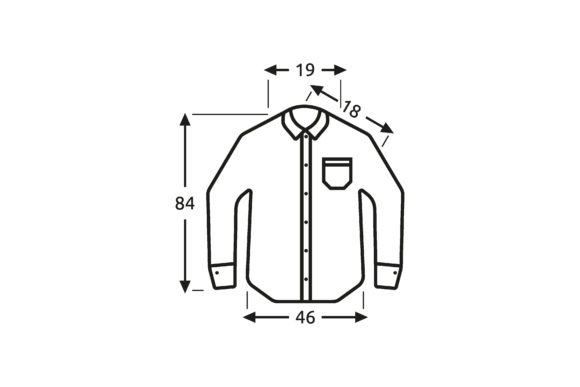
Custom shirt design refers to the process of creating personalized clothing with unique graphics, text, or patterns tailored to specific preferences. This can include everything from simple logos to intricate illustrations that reflect an individual's brand or style. The process typically involves using design software to create a visual layout, which is then applied to fabric through methods like screen printing, heat transfer, or digital printing.
What makes custom shirt design particularly valuable is its adaptability. It allows for both small-scale and large-volume production, making it ideal for a wide range of applications—from personal use to commercial ventures. Whether you're creating a limited edition t-shirt for a local event or producing a batch of branded merchandise for a startup, custom shirts can be customized to fit your needs.
Why EPS Files Are Essential for Custom Shirt Design
When working on custom shirt designs, the file format you choose plays a critical role in the quality and versatility of your project. One of the most widely used formats for vector-based graphics is the EPS (Encapsulated PostScript) file. These files are especially useful for custom shirt design because they maintain high resolution and clarity regardless of scaling, ensuring that your design looks sharp whether printed on a small t-shirt or a large banner.
EPS files are compatible with a variety of design software, including Adobe Illustrator CC, Adobe Suite, Inkscape, Corel Draw, and more. This compatibility means that designers can work seamlessly across different platforms and tools, making EPS a reliable choice for anyone involved in the creative process.
Benefits of Using EPS Files in Custom Shirt Projects
- High-quality output: EPS files preserve vector data, ensuring that your design remains crisp and detailed at any size.
- Compatibility: They work well with most design software, allowing for easy editing and sharing.
- Scalability: Since EPS files are vector-based, they can be scaled without losing quality, which is essential for print production.
- Professional-grade results: EPS files are often preferred by professional printers and designers for their reliability and precision.
Considerations When Choosing EPS Files for Custom Shirts
While EPS files offer numerous advantages, there are some considerations to keep in mind. First, not all design software supports EPS files natively, so it's important to ensure compatibility before starting a project. Additionally, EPS files may not be suitable for certain types of digital printing, where raster image formats like PNG or JPEG might be more appropriate.
Another consideration is the complexity of the design. While EPS files excel at handling intricate details, overly complex vector graphics can sometimes lead to file size issues or rendering problems. It's important to balance detail with practicality, especially when preparing files for mass production.
When to Choose Custom Shirt Design Over Alternatives
Custom shirt design is an excellent option when you need a personalized, high-quality product that can be easily modified or scaled. It is particularly well-suited for projects that require precise control over design elements, such as branding, event promotions, or handmade crafts. If you're looking to create a consistent look across multiple products—like mugs, wood signs, or party decor—custom shirt design offers a versatile foundation that can be adapted to various formats.
However, if your primary goal is quick turnaround or minimal customization, alternatives like pre-printed shirts or stock design templates might be more efficient. These options reduce the time and effort required for design work while still delivering a polished result.
Practical Tips for Success with Custom Shirt Design
- Plan your design: Before creating your custom shirt, sketch out your ideas and consider how the design will appear on fabric.
- Use the right software: Choose a design tool that supports EPS files and offers the features you need for your project.
- Test your design: Print a sample or preview the design on a fabric simulator to ensure it meets your expectations.
- Collaborate with professionals: If you're unsure about the best approach, consult with a designer or printer who specializes in custom apparel.
By understanding the strengths and limitations of custom shirt design and EPS files, you can make informed decisions that align with your goals. Whether you're launching a new business or simply looking to express your creativity, these tools provide a powerful foundation for success.